
“The kitchen is evolving into a hub of precision engineering.”
We have transcended the era of mere recipes to enter an advanced molecular frontier where food preparation is defined by scientific investigation.
In the period of 2025-26, the integration of artificial intelligence, biotechnology, and physics is fundamentally redefining our understanding of nourishment.
Today, chemistry in cooking and the food industry serves as the invisible architect of a sustainable, efficient, and technically precise global food system.
Table of Contents
1. Molecular Gastronomy: The Science of Modern Texture
Molecular gastronomy first emerged in the 1980s as a scientific discipline dedicated to investigating the physical and chemical transformations that occur during dish preparation and consumption.
It aims to move beyond empirical kitchen practices to a science-based approach, exploring the mechanisms behind everyday culinary phenomena.
By 2026, these principles will have become mainstream, transforming the kitchen into a laboratory of creativity.
Spherification and the “Egg-Box Structure”
One of the most iconic techniques in this field is spherification, a striking application of molecular cooking where liquids are shaped into edible spheres that burst upon consumption.
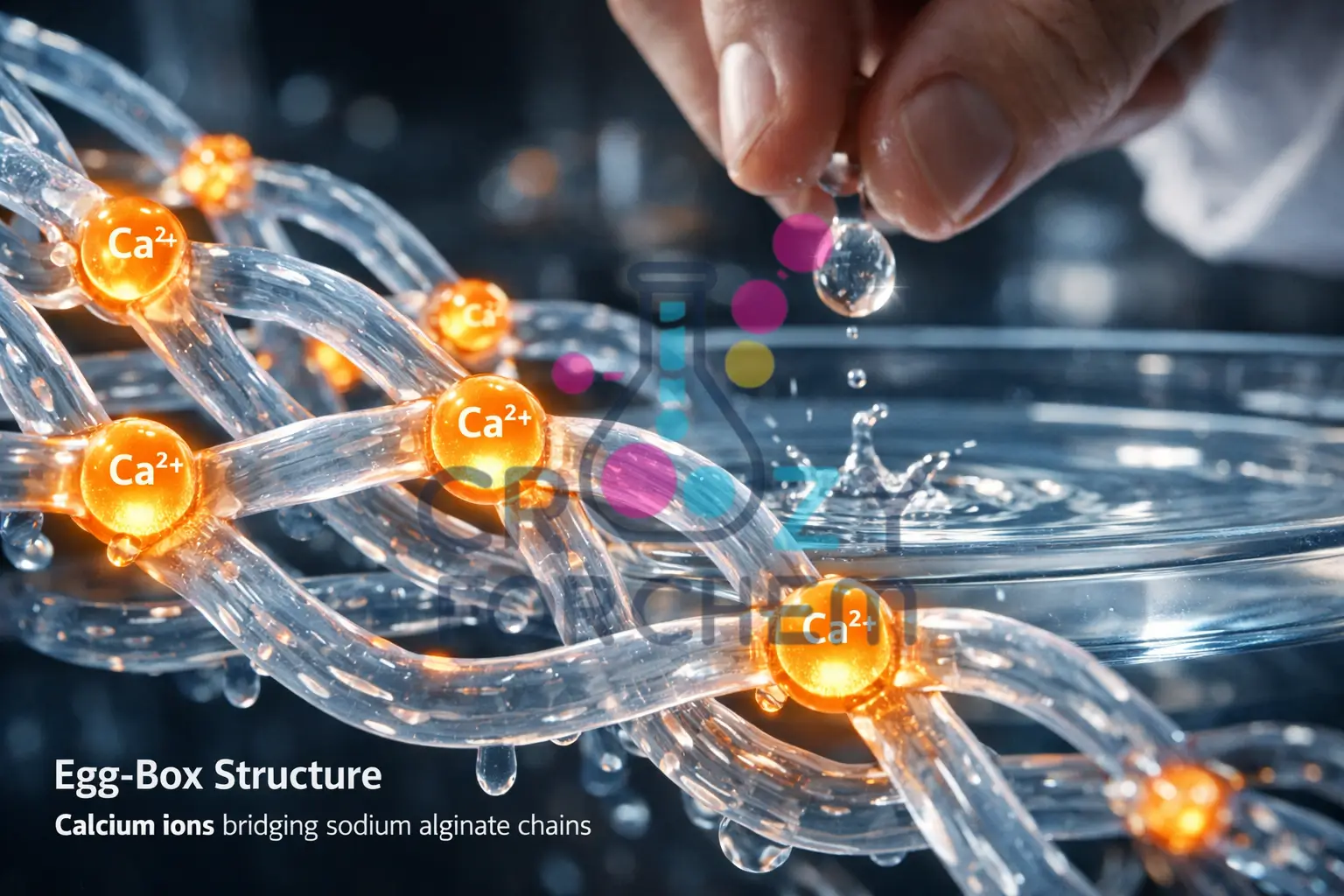
This process relies on a specific chemical mechanism known as the “egg-box structure“.
When a liquid containing sodium alginate is dropped into a bath of calcium ions, the ions act as bridges between the polysaccharide chains, forming a stable, three-dimensional gel membrane around a liquid core.
Recent research in 2025 has adapted this mechanism to enhance the mechanical stability of vegan gummy candies, using calcium baths to create a protective crust that shields products from stress during transport.
Thermal Precision: Liquid Nitrogen and Sous-Vide
Precision in temperature control is another cornerstone of modern food science.
- Liquid Nitrogen: At -196°C, liquid nitrogen is used for flash freezing, a process that cools food so rapidly it prevents the growth of large ice crystals. This results in ultra-smooth textures for ice creams and unique “shattered” elements in high-end desserts, while preserving delicate aromas that would otherwise be lost to oxidation.
- Sous-Vide: This technique involves cooking vacuum-sealed food in a water bath at constant low temperatures. By monitoring heat at a cellular level, chefs ensure that proteins like meat or fish reach perfect doneness without losing the moisture or nutrients often sacrificed in traditional frying.
2. The Precision Fermentation Revolution: An Animal-Free Future
We are entering a transformative era where chemistry in cooking and the food industry allows for the creation of animal products without the involvement of animals.
Precision fermentation is a process that uses genetically engineered microorganisms such as yeast or fungi to “brew” specific functional ingredients.
Lab-Grown Proteins
By early 2026, the industry will have seen a surge in companies obtaining safety certifications (such as GRAS or self-GRAS) for animal-free proteins.
For example, TurtleTree has achieved certification for precision-fermented lactoferrin, while New Culture has successfully produced bio-identical milk casein.
Unlike traditional batch fermentation, which is often slow and requires massive reactors, the 2025 trend is shifting towards continuous fermentation.
This technology enables sustaining reactions over long periods by continuously supplying substrates and extracting products, potentially reducing production costs by 40% to 50%.
Note-by-Note Cuisine
As pioneered by the French physical chemist Hervé This, the industry is increasingly exploring “note-by-note” cooking.
This concept moves away from traditional plant or animal tissues to assemble dishes entirely from pure chemical compounds sourced from laboratories.
By using molecules such as ethanol, anthocyanins, and pure volatiles, manufacturers can potentially reduce the massive energy and transport costs associated with conventional food systems.
3. Clean Label Chemistry: Transparency as the New Ingredient
As the science of ultra-processed food (UPF) faces intense regulatory and consumer scrutiny, the industry is pivoting towards “clean label” innovations.
Approximately 75% of global consumers now reconsider purchases after checking ingredient labels, driving a massive shift away from synthetic additives.
Shift from Synthetic to Natural
Large brands are phasing out artificial dyes and whitening agents like Titanium Dioxide (E171).
Chemistry in cooking and food industry is now focused on fungal and plant-based pigments that remain stable under heat and varying pH levels.
Molecular Bridges in Natural Emulsifiers
To maintain texture and shelf stability without “E-numbers”, manufacturers are turning to natural alternatives like lecithin (derived from soy, sunflower, or rapeseed).
These molecules function as a molecular bridge because they possess unique structures with both hydrophilic (water-loving) and lipophilic (fat-loving) ends.
By positioning themselves at the oil-water interface, they prevent separation in products such as dairy alternatives and dressings while supporting simple ingredient declarations.
The Rise of Nano-encapsulation
A major chemical trend for 2025-26 is the use of nanotechnology for nutrient delivery.
Nano-encapsulation allows scientists to entrap bioactive compounds, such as vitamins, omega-3 oils, or probiotics, within microscopic supports.
This ensures that these vital nutrients are delivered effectively to the body without altering the taste, scent, or appearance of the food product.
4. AI and Advanced Molecular Safety
Safety protocols are being revolutionised by the convergence of material science and artificial intelligence.
- AI-Driven Optimisation: Brands like Nestle and Beyond Meat use AI to test product concepts and fine-tune the texture and flavour of plant proteins to perfectly mimic meat.
- Graphene Biosensors: The standard 48-hour wait for microbial testing is being eliminated by graphene field-effect transistors (GFETs). These portable biosensors detect pathogens such as Salmonella and Listeria in minutes by measuring electrical responses at the molecular level.
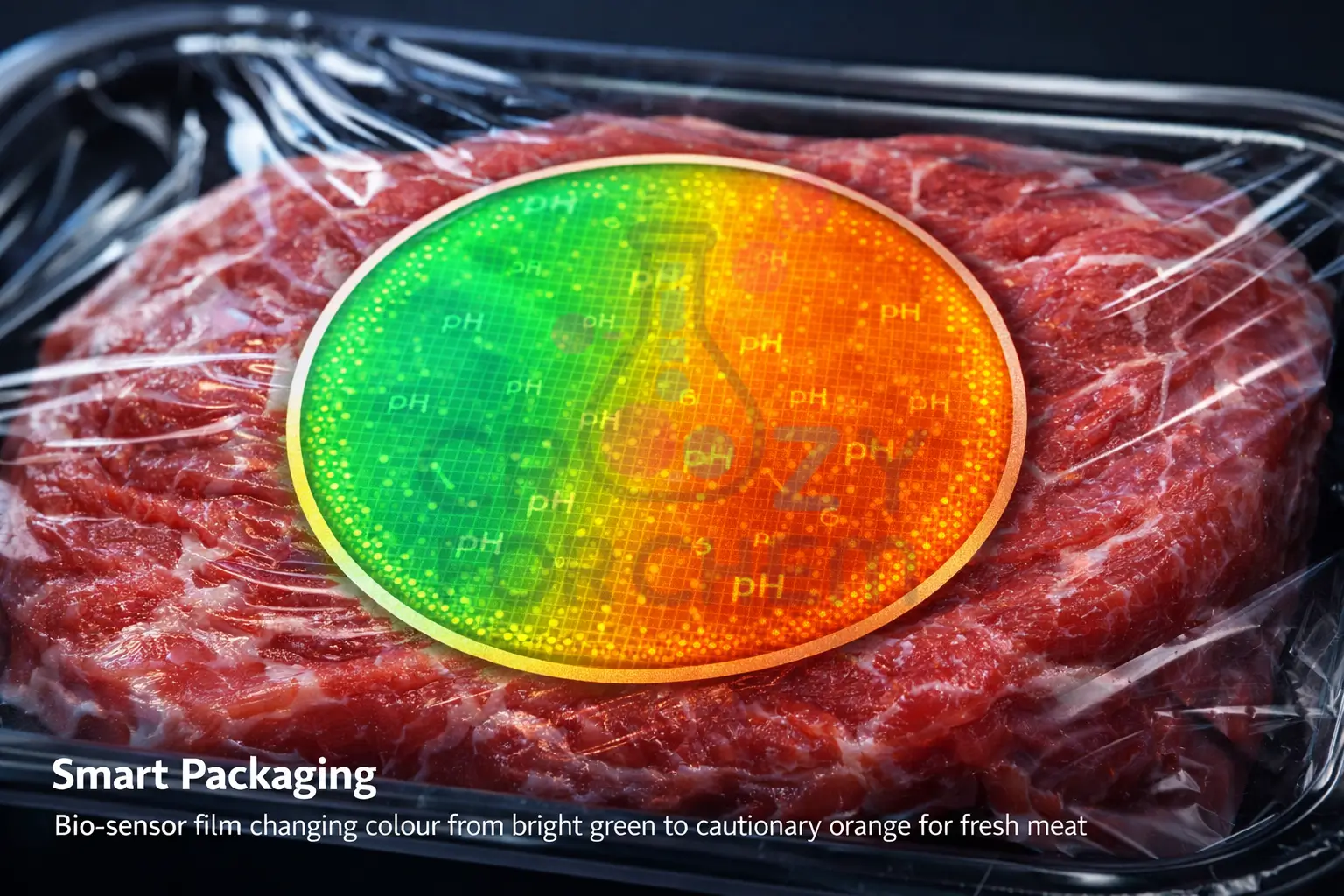
- Smart Packaging: New “smart films” act as real-time spoilage indicators. These films change colour in response to pH shifts caused by microbial metabolic activity, providing consumers with a clear visual cue regarding freshness.
Traditional vs. Precision Food Processing (2026 Outlook)
| Technology | Traditional Method | 2025–2026 Precision Trend | Scientific & Economic Benefit |
|---|---|---|---|
| Fermentation | Batch Processing (Slow, requires massive reactors) | AI-Driven Continuous Fermentation | 50% cost reduction; eliminates the need for scaling up by using compact, high-yield reactors. |
| Protein Synthesis | Animal Husbandry (Land and water intensive) | Precision-Fermented Bio-Identicals (e.g., Casein, Lactoferrin) | 90% less land/water use; produces animal-identical proteins (dairy/egg) without the animal. |
| Flavouring & Assembly | Whole Plant/Animal Extracts (Variable purity) | Note-by-Note Cuisine (Pure molecular assembly) | Maximum resource efficiency; builds dishes from pure compounds like ethanol and polyphenols, reducing transport energy costs. |
| Emulsification | Synthetic Surfactants (E-numbers like E471) | Clean-Label Yeast-Derived Proteins (e.g., Revyve) | Natural multi-functionality; yeast proteins provide binding, foaming, and emulsification without synthetic additives. |
| Safety Testing | Culture Plates / PCR (Results take 24–48 hours) | Graphene Field-Effect Transistors (GFETs) | Real-time detection; quantifies pathogens (Salmonella/Listeria) in minutes via electrical molecular response. |
| Preservation | Thermal Pasteurization (Destroys heat-sensitive vitamins) | Cold Plasma & High-Pressure Processing (HPP) | Nutrient retention; inactivates microbes without heat, extending shelf life while keeping vitamins intact. |
| Hazard Mitigation | Standard Baking/Frying (Produces Acrylamide/HMF) | Enzymatic Mitigation (L-asparaginase) | Carcinogen reduction; reduces Acrylamide levels in baked goods by 81%–84% without affecting flavour. |
Strategic Evolution for 2026
The shift into 2026 highlights a movement where chemistry in cooking and food industry is being used to address specific health and sustainability mandates:
- Circular Economy: Bioprocessing innovations are turning side streams (e.g., spent grain or broccoli stalks) into functional flours, a trend projected to reduce global food system emissions by 49%.
- Precision Nutrition: The integration of AI and microbiome sequencing is moving the industry toward medically-tailored textures (e.g., for dysphagia) and diets that improve metabolic markers like HbA1c.
- Smart Packaging: By 2026, the use of bio-sourced films that change colour in response to pH shifts will provide real-time visual indicators of food spoilage, reducing waste and increasing safety.
Ultimately, the goal for 2026 is to achieve an equilibrium between sensory delight and molecular safety, ensuring that processed foods provide a “natural pharmacy” rather than just caloric energy.
5. Mitigation Science: Reducing Harmful Maillard By-products
While the Maillard reaction is essential for creating the golden crust and rich aroma of baked goods, excessive reactions can lead to the formation of potentially hazardous substances.
Acrylamide and HMF Control
In high-heat cooking environments (such as baking and frying), harmful products like Acrylamide (AA) and 5-hydroxymethylfurfural (HMF) are formed.
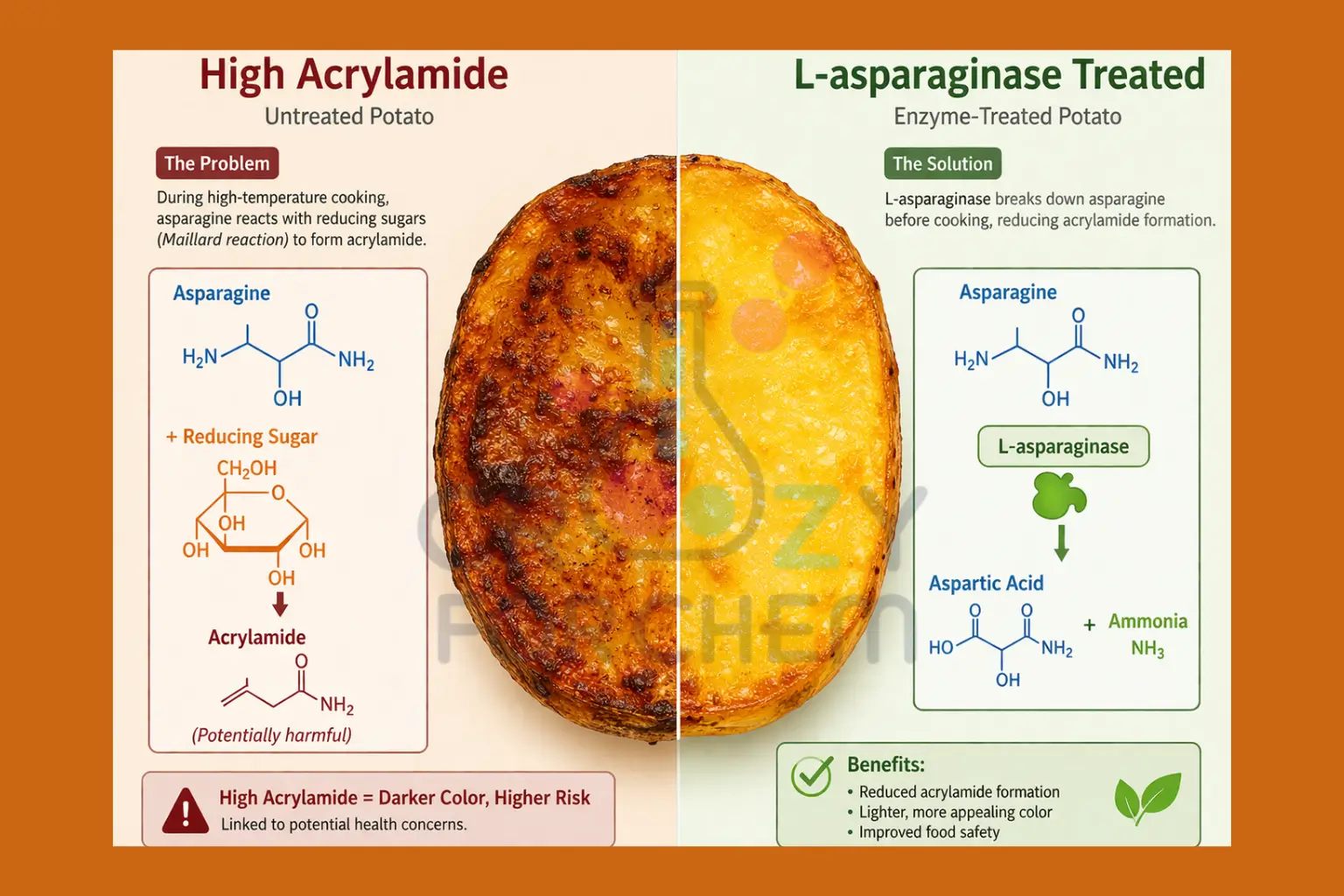
Acrylamide is a neurotoxin and potential carcinogen produced when asparagine reacts with reducing sugars above 120°C. 2025 research strongly suggests the use of “L-asparaginase” enzymes to neutralise these risks.
L-asparaginase catalyses the hydrolysis of asparagine into aspartic acid and ammonia; by removing the precursor, it can reduce acrylamide levels in sweet breads and cookies by 81% to 84% without affecting the final flavour.
Additionally, the incorporation of natural antioxidants and the regulation of pH are used to inhibit the formation of advanced glycation end products (AGEs).
6. Bioprocessing and Upcycling: The Ethical Chemist
Modern food processing science is increasingly focused on the “circular economy”, viewing “waste” not as a liability but as a high-value resource.
Valorising Side Streams
The future food industry focus is firmly on bioprocessing by-products.
Materials that were traditionally discarded, such as Spent Grain (a byproduct of beer brewing) or vegetable peels (from carrots, broccoli, and artichokes), are now being converted into functional, nutrient-dense flours.
For example:
- Broccoli Stalks: Upcycled into high-protein and high-fibre formulations for use in burgers and sauces.
- Artichoke Waste: Transformed into specialised functional flours rich in cynarin to support liver health.
- Brewery Yeast: Extracted to produce Revyve protein ingredients that provide foaming and binding properties as a clean-label alternative to eggs.
Chef-Chemist Hack: “In my kitchen, we don’t discard stalks. By applying high-moisture extrusion or simple enzymatic breakdown, we turn these into high-fibre bases for sauces. It’s chemistry-driven sustainability in action!”
Impact on Sustainability
This transition to a circular food economy is vital for environmental resilience. Implementing these circular practices is expected to cut global food system emissions by 49% by 2050.
By upcycling agricultural surplus and processing side streams, the industry can reduce greenhouse gas emissions, save trillions of litres of water, and preserve millions of hectares of farmland.
7. Conclusion: The Age of Molecular Precision
The chemistry in cooking and the food industry has evolved from a tool for survival into a discipline of extreme precision.
Whether it is using the egg-box mechanism to stabilise vegan candies, employing precision fermentation to brew animal-free dairy, or using L-asparaginase to mitigate carcinogens, modern food science is dedicated to balancing sensory delight with safety and sustainability.
As we look toward 2030, the ability to account for every molecule in our food system will be the key to feeding a growing population while protecting the health of the planet.
Frequently Asked Questions
-
What is the “egg-box structure” in food science?
The egg-box structure is a chemical model describing how calcium ions (Ca2+) bind together alginate or pectin chains. This creates a stable, 3D gel network used in molecular gastronomy for spherification and to give vegan gummies their structural integrity.
-
How is AI improving food safety in 2026?
AI improves food safety by processing data from Graphene Biosensors to detect pathogens in minutes rather than days. It also powers smart packaging that uses pH-sensitive films to visually alert consumers when food begins to spoil.
-
Can we reduce acrylamide in home cooking?
Yes. Chemically, acrylamide forms when the amino acid asparagine reacts with sugars at high heat. Using L-asparaginase enzymes (often found in commercial baking) or soaking potatoes in water before frying can significantly inhibit this reaction.
-
What is “Note-by-Note” cuisine in modern food science?
Note-by-Note cuisine is a visionary culinary method where dishes are built from pure chemical compounds rather than plant or animal tissues. Instead of using a whole carrot, a chef might use specific molecules like carotenoids for colour and sugars for sweetness. This method, pioneered by Hervé This, aims to maximise resource efficiency and reduce the environmental footprint of food transport.
-
How does precision fermentation differ from traditional fermentation?
Traditional fermentation (like making curd or bread) uses whole microorganisms to transform food. Precision fermentation, however, uses genetically programmed microbes to “brew” specific, bio-identical ingredients, such as animal-free whey or casein proteins. This allows for the production of dairy and egg proteins without the need for industrial animal farming.
-
What are the benefits of smart packaging in 2026?
Smart packaging uses chemical sensors, such as pH-sensitive films, to monitor food freshness in real-time. Unlike static “Best Before” dates, these films change colour based on the actual microbial activity inside the packet. This technology significantly reduces food waste and enhances consumer safety by providing a visual cue for spoilage.
-
Why is L-asparaginase used in the food industry?
L-asparaginase is an enzyme used to mitigate the formation of acrylamide, a potential carcinogen. It works by breaking down the amino acid asparagine, a key precursor to acrylamide, before the food is baked or fried. This reduces harmful by-products in starchy foods like biscuits and crisps by over 80% without altering the taste.
-
What is “Upcycling” in the context of food processing?
In food processing science, upcycling is the practice of converting agricultural side streams (waste) into high-value functional ingredients. For example, spent grain from breweries or broccoli stalks can be processed into nutrient-dense, high-fibre flours, supporting a circular economy and reducing global food system emissions.